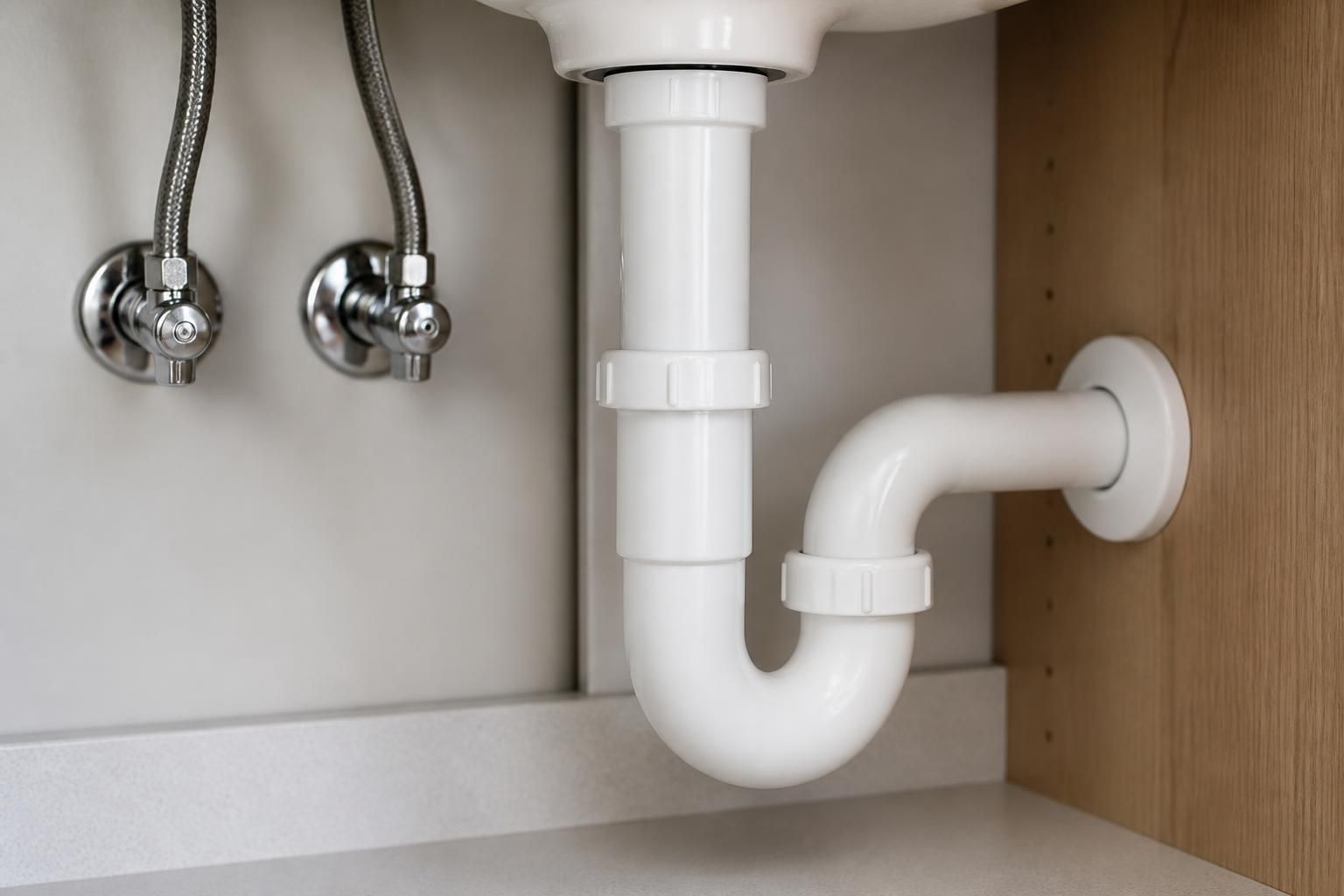
A damp patch on the wall, a ceiling stain, or a pipe that has started hissing after years of service usually means the problem will not wait. Small leaks can waste water, damage finishes, and turn a simple repair into a wider mess if they are left too long.
If you need pipe repair across Leinster, Ireland, Oh Really O'Reilly Plumbing can inspect the problem, explain what has failed, and carry out the repair with as little disruption as possible. Whether the issue is a split section, a loose joint, or corrosion on older pipework, we focus on fixing the cause rather than masking the symptom.
Pipe damage does not always announce itself with a dramatic burst. More often, the first signs are small and easy to overlook until they become hard to ignore. We handle pipe repair for visible and hidden faults, including:
Oh Really O'Reilly Plumbing works with homeowners, landlords, businesses, and property managers who need a practical fix and clear communication from start to finish.
Some pipe faults are obvious, while others show up as small changes around the property. Acting early often keeps the repair simpler and reduces the chance of damage spreading to floors, walls, or fittings.
Look for dripping, puddling, staining, peeling paint, swollen timber, or a musty smell near the pipe run. A healthy-looking pipe can still be failing at a hidden joint, so even light moisture deserves attention.
Changes in water pressure, repeated air noise, or a fitting that seems to need tightening again and again can point to an internal fault. If a pipe only leaks when a tap or appliance is running, the problem may be hidden until the system is under use.
Short-lived leaks that dry out on their own are still worth checking. A temporary stop can be the calm before a larger failure, especially where corrosion or age has already weakened the line.
Good pipe repair begins with finding the true source of the issue. A stain does not always sit directly beneath the damaged section, and water often travels along joists, pipe runs, or fittings before it appears.
That simple approach helps keep the job clear and avoids unnecessary work. It also gives you a better understanding of what went wrong and what the repair has addressed.
Not every damaged pipe needs the same solution. The right fix depends on the pipe material, the position of the fault, and the amount of wear around it.
When part of a pipe has split, corroded, or been damaged beyond a tidy repair, replacing the affected section is often the cleanest answer. This is especially useful where the rest of the line is still sound.
Loose or failing joints can often be remade or refitted so the connection is secure again. This is a practical solution where the pipe itself is intact but the connection has started to let water through.
Sometimes a damaged section sits in a difficult spot, or repeated leaks suggest that the layout itself is under strain. In those cases, rerouting a section may be the more durable way forward.
We always aim to match the repair to the condition of the pipework rather than using a one-size-fits-all fix.
Many customers want to know what will actually happen when we arrive. We keep the process straightforward so you know what is being checked and why.
From the first look to the final check, the aim is to leave the pipework safe, practical, and ready for normal use.
Pipes can fail for a range of everyday reasons. Some faults build slowly, while others happen after a fitting has been stressed or disturbed. Knowing the likely cause helps prevent repeat problems.
Older pipework can weaken over time. Corrosion, pitting, and tired joints are common signs that a section has reached the point where a repair or replacement is needed.
Pipework can shift slightly with use, settlement, or previous alterations. Even small movement can place pressure on a joint or create a hairline split that only shows itself under pressure.
A fitting knocked while working on a sink, appliance, or bathroom fixture can start a leak later. A pipe that has been strained repeatedly may also begin to seep at the weakest point.
At Oh Really O'Reilly Plumbing, we look for the cause as well as the leak itself so the repair stands up to daily use.
You cannot prevent every pipe fault, but you can make it easier to catch small issues before they spread.
If a pipe has already been repaired once, it is worth keeping an eye on the surrounding section. A nearby joint or length may be under the same strain.
Hidden leaks often show up as stains, damp smells, peeling paint, or unexplained moisture near a wall, ceiling, or floor. If you cannot see the leak directly, the source may still be close to the damaged pipe run.
Yes. Even a minor drip can worsen if corrosion, movement, or pressure is affecting the same section of pipe. A small fault may also spread damp into nearby materials over time.
We repair both where access allows. Exposed pipework is usually easier to assess quickly, while concealed pipework may need more careful tracing to find the failing section.
If a repaired area leaks again, there may be another weak point nearby or the original section may be too worn to hold a lasting fix. We would look at the surrounding pipework and discuss the next sensible step.
Yes. A leaking pipe can affect nearby taps, toilets, appliances, cabinets, plaster, and floor finishes. The longer water sits there, the more likely it is to cause extra damage.
As soon as you notice it. A quick response usually makes the repair simpler and helps protect the surrounding area from avoidable damage.
If you need pipe repair across Leinster, Ireland, contact Oh Really O'Reilly Plumbing for clear advice and practical work carried out with care. We are based at 123 Waffle Street and can be reached on +0123456789 or shitscreek@hotmail.com during opening hours from Monday to Friday, 09:00 to 17:00.
Whether the fault is a visible drip or a hidden leak that has already left a mark, we will help you work out what has failed and how to put it right.

Get Started
Tell us what is happening with your plumbing or heating system. We will help you find the right fix, from small repairs and leak detection to boiler work, bathroom updates, and ongoing maintenance.